The Rise of Agentic IDEs
Something fundamental is changing in software development. Most people haven't noticed yet.
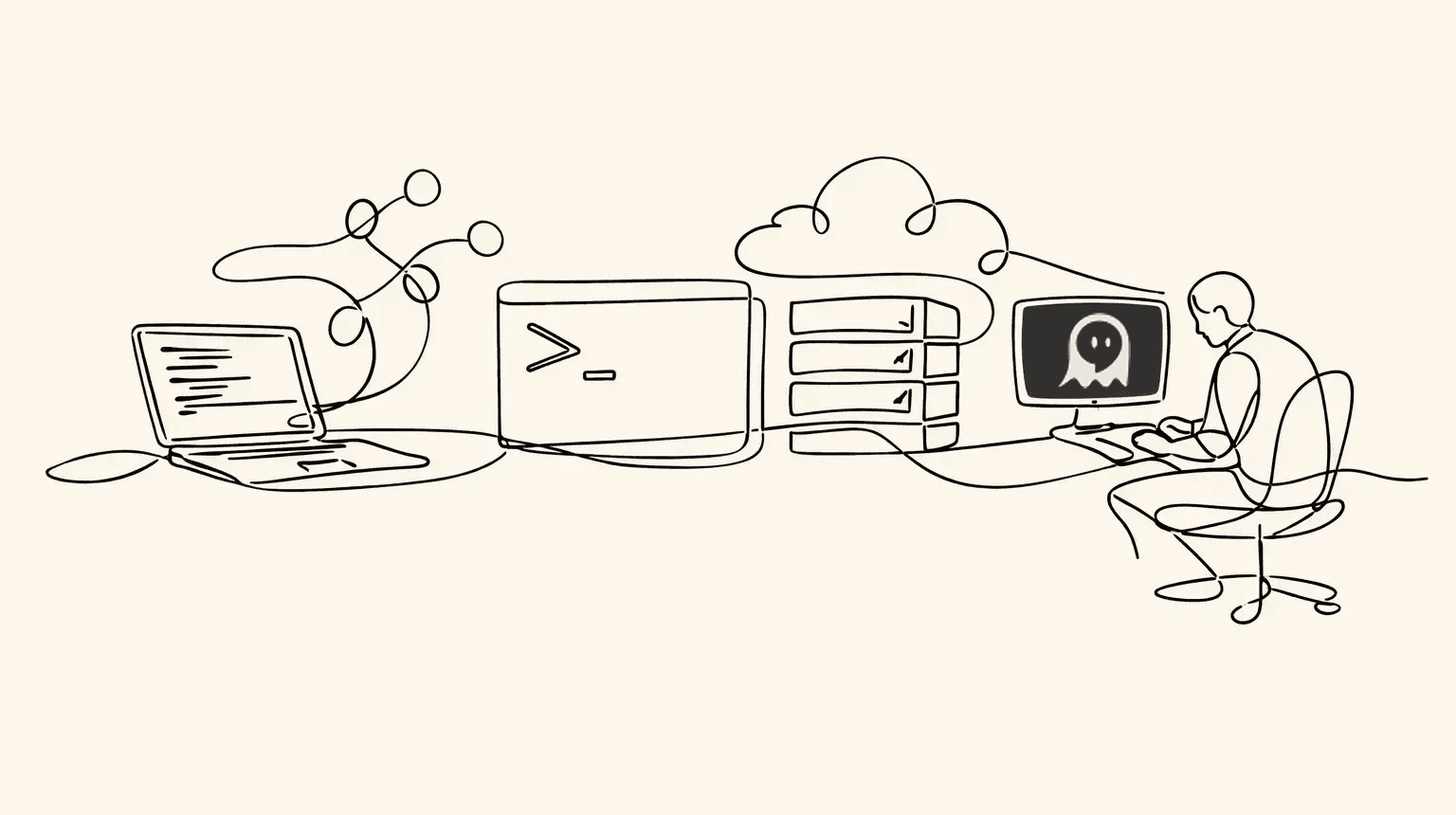
There are three generations of development tools. Traditional IDEs like Xcode and VS Code. AI-assisted editors like Cursor and Windsurf that bolt copilots onto the editing experience. And now, agentic IDEs built from the ground up around autonomous coding agents.
Agentastic.Dev is that third thing. Not an IDE with AI bolted on. An IDE built for agents.
The Agent-First Paradigm
Agentic IDEs are built around a new class of tools: coding agents. Claude Code. OpenAI Codex. FactoryAI's Droid. Google's Gemini CLI. These aren't autocomplete engines. They're autonomous systems that can reason about problems, explore codebases, write code, run tests, and iterate on failures.
These agents live in the terminal. They're TUI-first by design. That's not a limitation. It's a feature. The terminal is where real development happens. It's where you run builds, execute tests, manage git, deploy code. Agents that live here can do everything a developer can do.
A copilot suggests code while you type. An agent writes code while you sleep.
That's the difference.
What Makes an IDE "Agentic"?
Three things. Isolation. Parallelism. Closed loops.
Isolation. When an agent works on your code, it needs a safe place to experiment. Code isolation via git branches is the minimum. Full isolation via containers is the standard. The agent can make mistakes, break things, try wild approaches. None of it touches your working environment until you're ready to merge.
This isn't just about safety. It's about freedom. An agent that can't break anything can try anything. That's when you get the best results.
Parallelism. One agent is useful. Multiple agents working in parallel is transformative.
Imagine spinning up three agents. One is adding a new feature. One is fixing a backlog of bugs. One is writing tests for existing code. Each agent works in its own isolated environment. They don't step on each other's toes. They don't have merge conflicts. They just work.
What used to take a team a week can happen in an afternoon.
The true power of agents comes from parallelism. A single agent is limited by sequential execution. Ten agents working simultaneously multiply your throughput by ten. This is the leverage that changes everything.
Closed Loops. An agent isn't done when it writes code. It's done when the code works.
Real agents close the loop. They plan the approach. They write the implementation. They run the tests. They fix what's broken. They iterate until it's right. Then they prepare the code for review.
Planning to implementation to testing to review. The full cycle. That's what separates a coding agent from a fancy autocomplete.
The Old Way and the New Way
Traditional AI coding tools work like this. You write code. AI suggests the next line. You accept, modify, or reject. Repeat.
Copilot-style editors are better. The AI has more context. It can see your whole file, maybe your whole project. But you're still driving. You're still the one making every decision, typing every character that matters.
Agentic tools work differently. You describe what you want. The agent reasons about the problem, explores your codebase, plans an approach. It writes the code, runs tests, iterates on errors. You review and merge.
The difference isn't just capability. It's agency. These tools don't wait for you to type. They take initiative. They make decisions. They work while you're doing something else.
What This Means for Developers
Some people worry that agentic AI will replace developers. I think that misunderstands what's happening.
Agents excel at the mechanical parts of coding. Boilerplate. Repetitive refactors. Test coverage. Documentation. The parts that are necessary but not particularly creative or strategic.
They're less good at understanding nuanced business requirements, making architectural decisions with long-term implications, navigating organizational politics, knowing what not to build.
In other words, agents amplify developers. They handle the low-leverage work so humans can focus on high-level decisions.
The developers who thrive in this new paradigm won't be the ones who can type code the fastest. They'll be the ones who can best direct, orchestrate, and review agent work. The skill shifts from writing code to specifying and evaluating code.
The Road Ahead
We're still early. The agentic IDE category barely existed a year ago. The tools are improving rapidly. Better reasoning. Better tool use. Better context handling. Better isolation.
But the trajectory is clear. The IDE of the future isn't just a text editor with suggestions. It's a command center where you coordinate a team of AI agents, each working in isolated environments, all in parallel.
Some developers will resist this shift. That's fine. The old tools still work. But for those willing to experiment with a new way of working, the productivity gains are real and substantial.
The question isn't whether agentic IDEs will become mainstream. It's how quickly you'll adopt them.